
Sulphur recovery and vessel-loading support | Newfoundland and Labrador
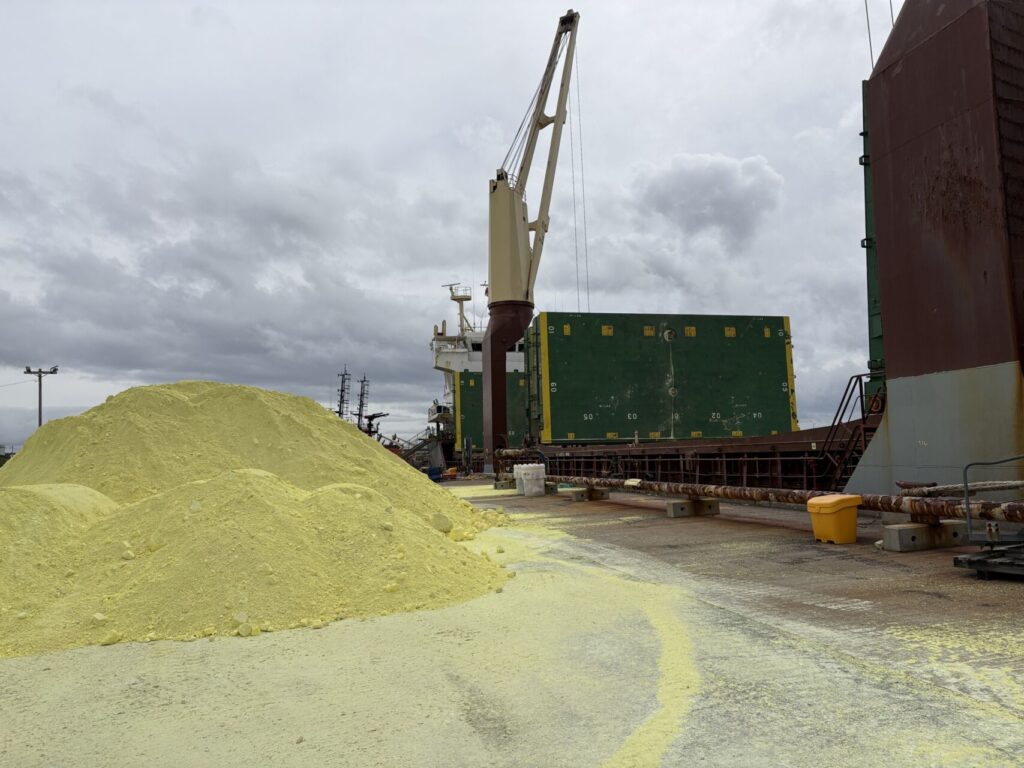
Working with Seablinc, KBL helped repurpose approximately 7,000 metric tonnes of stockpiled sulphur at the Come By Chance refinery, connecting material assessment with on-site handling and vessel-loading support for the South American market. The challenge Approximately 10,632 metric tonnes of solid sulphur had accumulated in stockpiles of varying purity at the refinery, managed by North […]
Why Landfill Gas Collection Systems Underperform: Six Operational Causes
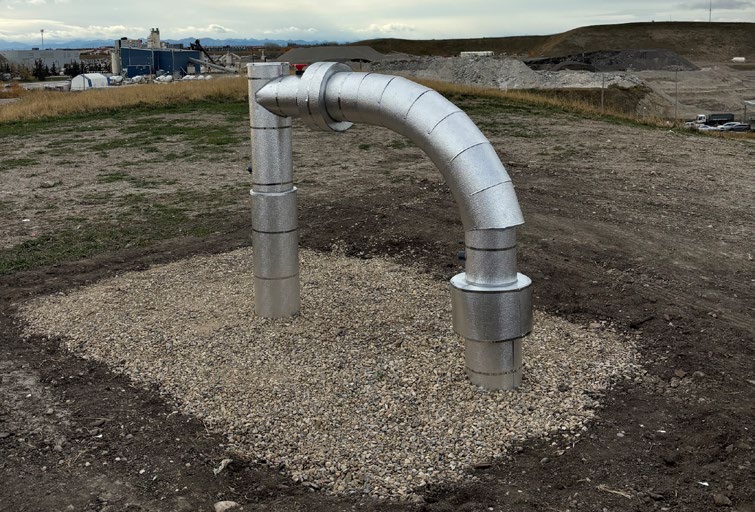
A landfill gas collection system can be running and still be underperforming. A blower may be online and wells may show vacuum, yet gas can escape through the cover, air can enter the waste, condensate can restrict flow, or parts of the wellfield can remain poorly collected. The first response should not automatically be “add […]
Mechanical or Hydraulic Dredging? How Site Conditions Drive the Decision
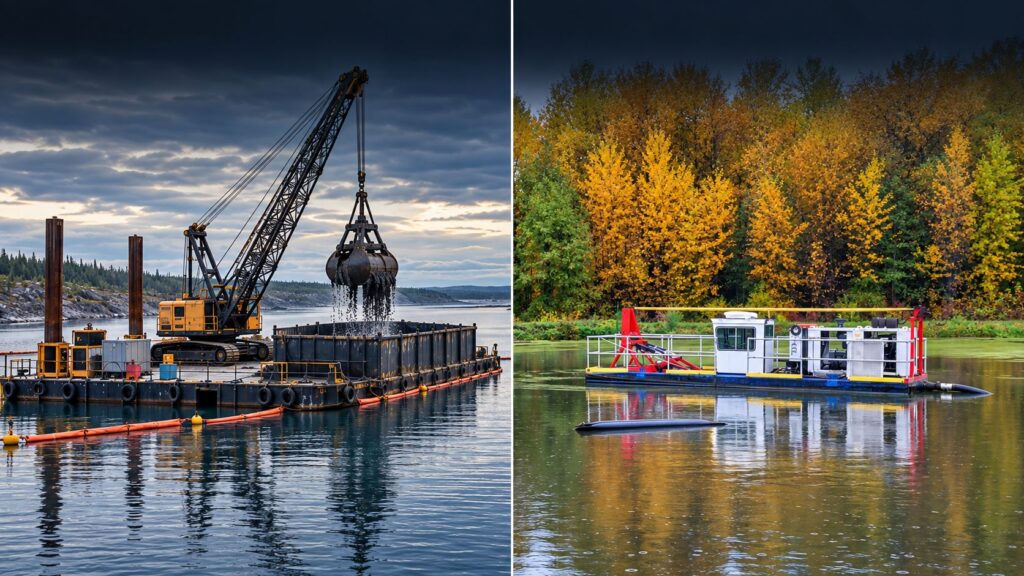
There is no universally better dredging method. Mechanical dredging lifts material with a bucket or similar tool; hydraulic dredging loosens material and pumps it as a water-based slurry. The right choice depends on the sediment, waterbody, access, environmental controls and—critically—what must happen to the material after removal. The decision should not be made from production […]
What Happens to Contaminated Soil After It Leaves Your Site? Traceability from Characterization to Final Disposition
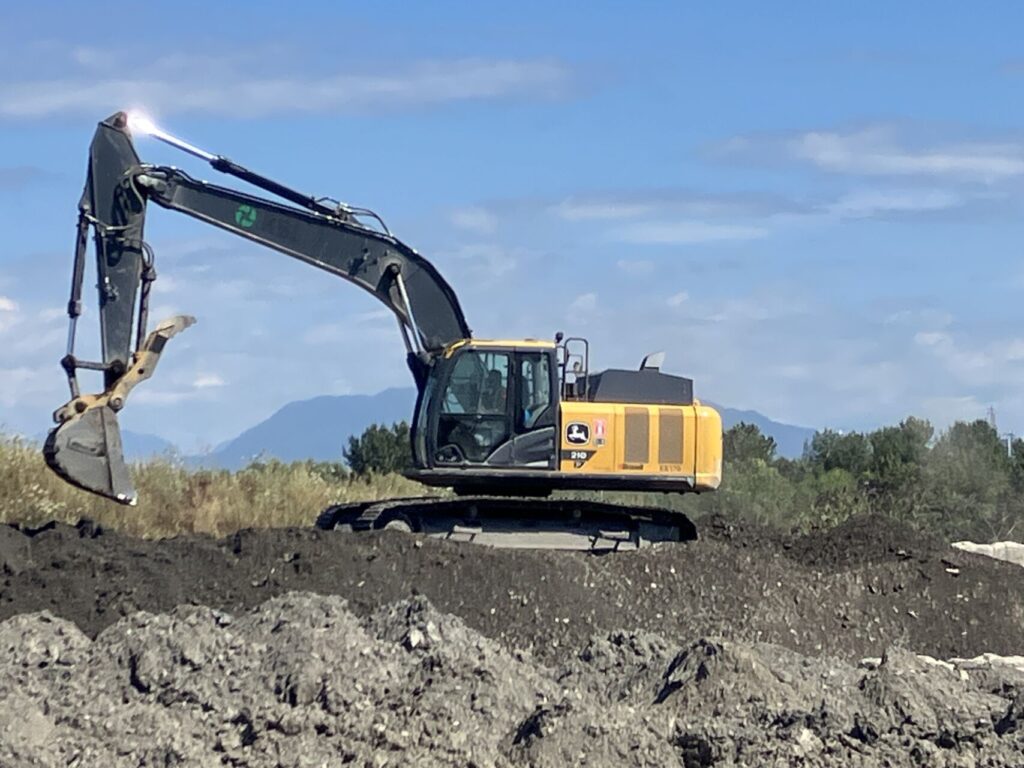
Once contaminated soil leaves a site, the physical material may be out of sight—but the project still needs an evidence trail that shows what moved, who handled it, where it was received, and how it was ultimately managed. A defensible record connects seven things: the source area, representative analytical data, the approved receiving option, each […]
Contaminated Soil Traceability: Site to Final Disposition
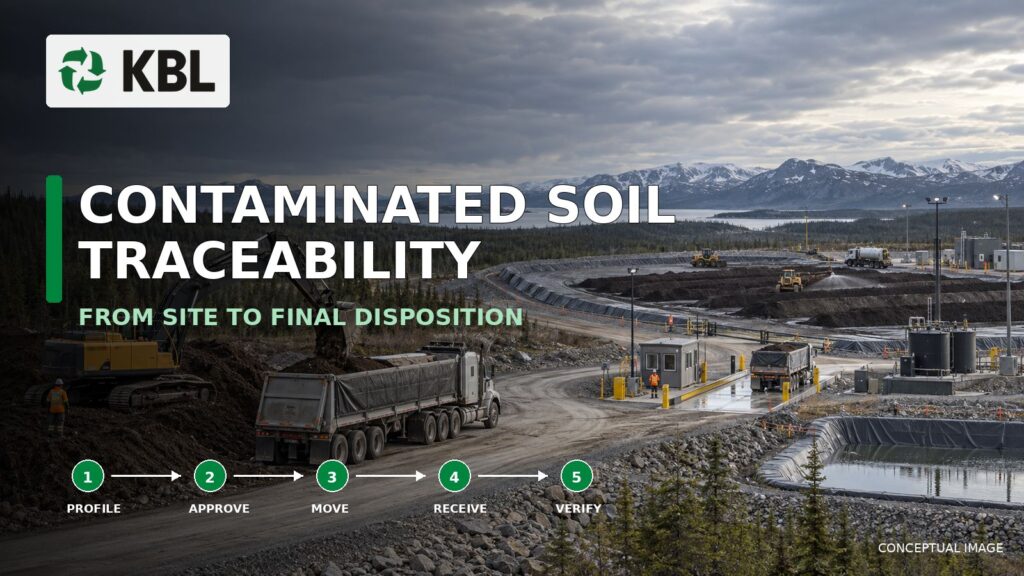
Once contaminated soil leaves a site, the physical material may be out of sight—but the project still needs an evidence trail that shows what moved, who handled it, where it was received, and how it was ultimately managed. A defensible record connects seven things: the source area, representative analytical data, the approved receiving option, each […]
Hazardous Waste Management Plans: A Practical Framework for Remote Projects
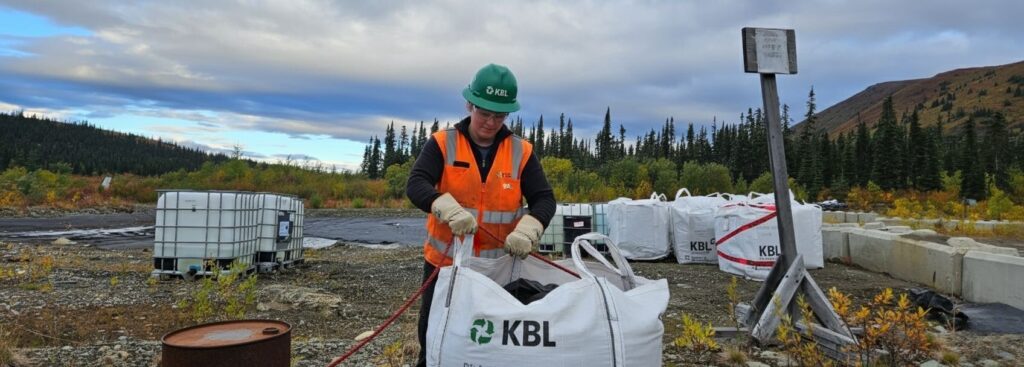
A hazardous waste management plan is most useful when it is built before waste begins to accumulate. On a remote industrial, mining, exploration, municipal or infrastructure project, that early work turns a difficult field problem into a series of practical decisions: what materials may become waste, how they will be identified and segregated, where they […]
Landfill Capping Systems: A Practical Guide to Reducing Environmental Liability
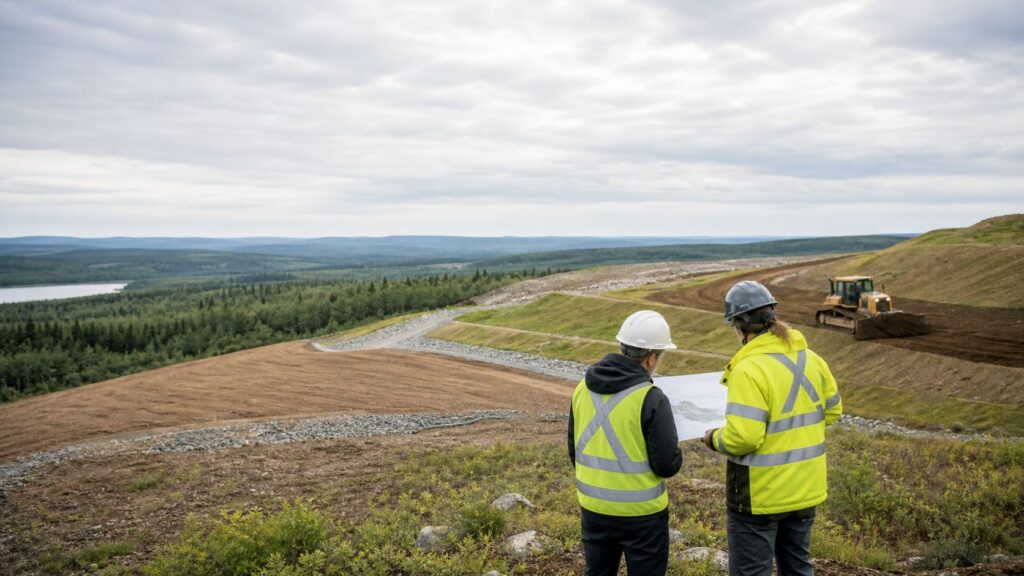
A landfill cap is more than the last layer placed over a closed cell. It is a long-term environmental control that needs to work with the site’s grades, drainage, waste conditions, climate and future land-use plan. For landfill owners and operators, the question is not simply whether a cover can be installed. It is whether […]
Mine Closure Water Management Starts Before Closure: What to Plan During Operations
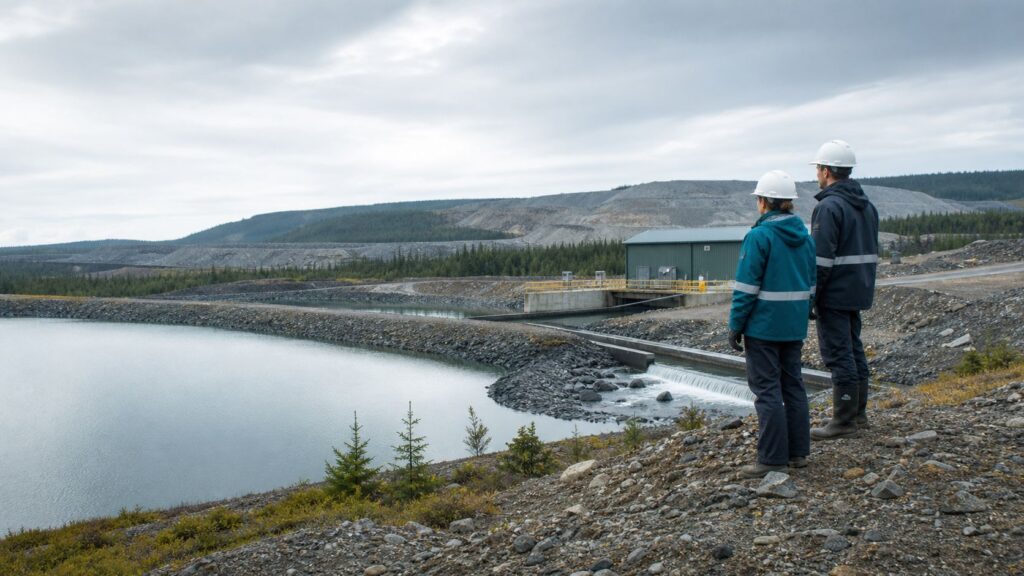
Mine closure does not begin when production ends. The decisions made during operations—how water is separated, stored, treated, redirected, and managed around waste rock and tailings—shape the practical obligations a site carries into closure and post-closure. For mine operators, that makes water management a core closure-planning issue, not a final-stage task. As a site transitions, […]
Winterizing Landfill Operations: A Practical Plan for Canadian Sites
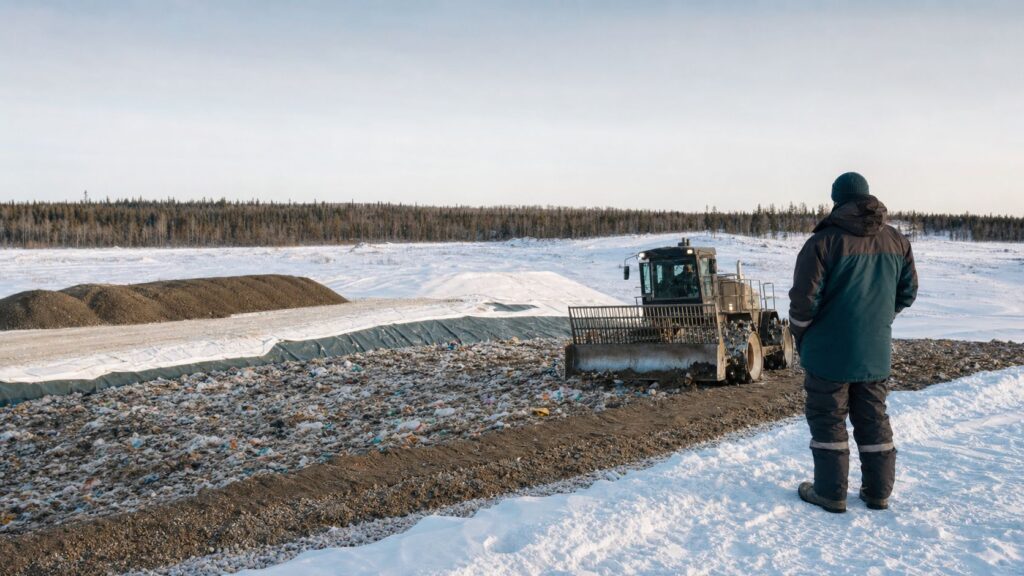
Canadian winter does not pause landfill operations. It changes the practical conditions under which every part of the day must be delivered: access, working-face control, cover placement, equipment readiness, material handling, and safe traffic movement. The strongest winter plans are built before the ground freezes. They translate approval conditions and operating procedures into an executable […]
Water Treatment for the MSC Baltic III Wreck Removal in Newfoundland
The removal of the grounded MSC Baltic III from Cedar Cove, Newfoundland and Labrador, is a complex marine response operation requiring careful coordination, specialized equipment and strong environmental controls. As part of the current wreck removal phase, KBL Environmental is providing the on-site water treatment system used to manage contaminated water removed from the vessel’s […]