
The removal of the grounded MSC Baltic III from Cedar Cove, Newfoundland and Labrador, is a complex marine response operation requiring careful coordination, specialized equipment and strong environmental controls.
As part of the current wreck removal phase, KBL Environmental is providing the on-site water treatment system used to manage contaminated water removed from the vessel’s cargo holds.
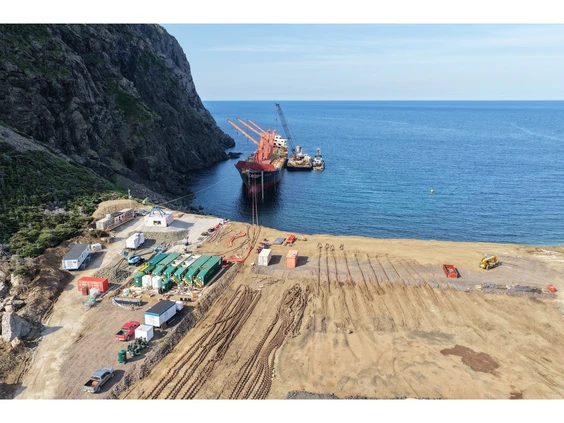
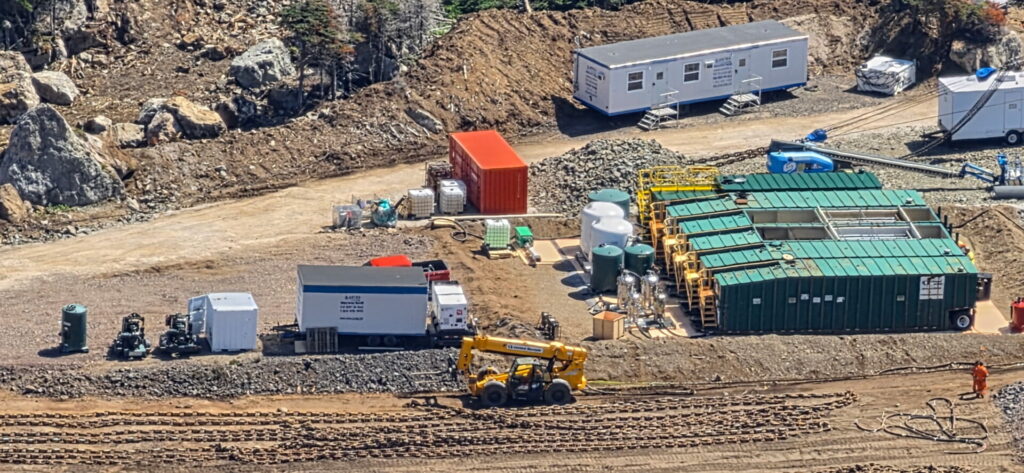
The system has been mobilized and installed on the shore above Cedar Cove, where it is being integrated into the broader salvage operation. Its purpose is straightforward but essential: water pumped from the damaged vessel is processed through the treatment system before it is discharged, helping protect the surrounding marine environment as crews prepare to move and dismantle the wreck.
A Complex Marine Environmental Response
The MSC Baltic III grounded in Cedar Cove near Lark Harbour in February 2025 after losing power. Since then, the Canadian Coast Guard has overseen an extensive response involving fuel recovery, cargo removal, vessel monitoring, shoreline inspections and preparations for the eventual removal of the wreck.
By July 16, 2026, crews had removed 471 of the vessel’s 472 cargo containers. The remaining damaged container is expected to remain with the wreck until the vessel is pulled toward shore. Crews have also begun removing portions of the vessel’s accommodation block.
The next phase involves removing contaminated water from flooded areas of the vessel so that wreck removal activities can continue safely and with appropriate environmental safeguards.
Why the Water Must Be Treated
Water contained within a damaged cargo vessel cannot automatically be considered suitable for direct discharge.
As seawater enters cargo holds and other compartments, it may come into contact with:
- Residual petroleum products
- Cargo residues and damaged materials
- Sediment and suspended solids
- Organic matter
- Metals and other contaminants associated with the vessel and its contents
Conditions aboard the MSC Baltic III have been particularly challenging. Some containers remained submerged for an extended period, and hydrogen sulphide associated with spoiled cargo has required ongoing monitoring and precautions for workers at the site.
Treating the water before discharge provides an additional environmental control during the wreck removal process.
KBL’s Role in the Project
KBL has mobilized a treatment system and supporting equipment to the remote Cedar Cove work site.
The system is designed to receive water pumped from the vessel and process it through a controlled treatment and filtration process. KBL’s work includes the field coordination needed to operate the system within an active salvage site, where pumping rates, water conditions and operational requirements may change as crews access different parts of the wreck.
KBL’s responsibilities include:
System Mobilization and Installation
Treatment equipment, tanks, piping and supporting infrastructure were transported to the site and installed within the limited working area above Cedar Cove.
The location presents many of the logistical conditions KBL regularly encounters: constrained access, changing weather, remote operations and the need to coordinate closely with multiple contractors and response agencies.
Treatment of Water Removed from the Vessel
Water pumped from the flooded cargo holds is directed through the treatment system before discharge.
The Canadian Coast Guard confirmed on July 16 that the system had been installed and was undergoing testing. Once operational, it would be used to treat contaminated water found within the cargo holds.
Project representatives have also stated that water removed from the flooded compartments is being processed through filtration as a precautionary measure to protect the surrounding marine environment.
Monitoring and Operational Control
Water treatment during an emergency or salvage response is not a static process. Conditions can change depending on the compartment being pumped, the amount of sediment present, the condition of the vessel and the pace of wreck removal.
KBL’s field team manages the system to maintain controlled treatment while coordinating with the broader project schedule and site requirements.
Supporting Environmental Protection
The objective is to prevent untreated water from being released directly from the vessel during dewatering.
This work complements the other environmental controls being implemented at the site, including shoreline monitoring, drone overflights, on-water assessments and the recovery of any tar balls or oiled debris observed in the area.
Working in a Remote and Logistically Complex Location
Cedar Cove is a challenging project environment.
The work site is located below a steep bluff along Newfoundland’s western coastline. Access-road improvements and a switchback route were required to support the increased equipment and activity associated with the wreck removal phase.
Equipment must operate within a relatively small shoreline work area while supporting an operation involving barges, tugboats, heavy machinery, chain-pulling systems and vessel-deconstruction crews.
These conditions make planning and field coordination especially important. Treatment equipment must be reliable, adaptable and capable of operating alongside other critical project activities without interfering with the salvage operation.
KBL’s experience delivering environmental services in remote, northern and logistically complex environments supports this type of work. Our teams combine practical field execution with environmental management, allowing treatment systems to be adapted to actual site conditions rather than relying solely on a fixed operating plan.
Water Treatment as Part of Wreck Removal
The treatment system is one component of a much larger operation.
Crews are installing chains and high-capacity pulling systems that will be used to move the vessel toward shore. Due to the condition of the wreck, it is expected to be removed in sections rather than recovered as a single intact vessel.
Before and during that work, flooded compartments must be managed carefully. Removing and treating the water reduces the volume held within the wreck and helps crews proceed with deconstruction and recovery activities under controlled conditions.
The water-treatment work demonstrates how specialized environmental services can be integrated directly into major marine, industrial and emergency-response projects.
Practical Environmental Solutions in Difficult Environments
Projects such as the MSC Baltic III response require more than treatment equipment alone.
They require:
- Rapid and effective mobilization
- Practical system design
- Experienced field personnel
- Coordination with salvage and construction activities
- Adaptability as water conditions change
- Clear operating and monitoring procedures
- A strong focus on safety and environmental protection
KBL was founded in Canada’s North and has built its business around solving environmental challenges in locations where access, weather and logistics cannot be taken for granted.
Our work at Cedar Cove reflects that approach: combining technical knowledge, field experience and practical environmental solutions to support a complex and highly visible marine response.
Frequently Asked Questions
What happened to the MSC Baltic III?
The MSC Baltic III lost power and grounded near Cedar Cove on the west coast of Newfoundland in February 2025. The vessel sustained significant damage, prompting a large-scale response involving fuel removal, cargo recovery, environmental monitoring and eventual wreck removal.
Why is there contaminated water inside the vessel?
Seawater entered damaged and flooded areas of the vessel. That water may have contacted cargo, fuel residues, sediment, vessel materials and other contaminants. As a result, it is being treated before discharge rather than pumped directly into the surrounding environment.
What is KBL doing at the MSC Baltic III site?
KBL is providing the on-site water treatment system for water removed from the vessel’s cargo holds. The work includes mobilizing and installing the equipment, operating the treatment process and coordinating treatment activities with the larger wreck removal operation.
How is the water being treated?
Water pumped from the wreck is processed through an on-site treatment and filtration system before discharge. The treatment process is operated and adjusted according to site conditions and the characteristics of the incoming water.
Why is mobile water treatment important during vessel salvage?
Mobile treatment allows contaminated or potentially contaminated water to be managed directly at the project site. This reduces the risk of an uncontrolled discharge and allows dewatering and salvage activities to proceed without transporting every litre of water to a distant treatment facility.
Can KBL provide water treatment for other emergency or industrial projects?
Yes. KBL provides practical water and waste-management solutions for marine, industrial, mining, remediation and remote-site projects. Systems can be designed or mobilized based on the contaminants, expected water volumes, discharge requirements and logistical conditions of each project.
Need a Practical Water-Treatment Solution?
KBL supports contractors, industrial operators, governments and resource-sector clients with field-deployable environmental services for complex and remote projects.
Our capabilities include:
- Mobile and temporary water-treatment systems
- Contaminated-water management
- Environmental monitoring and sampling
- Waste characterization and management
- Spill and emergency-response support
- Remediation and environmental liability management
- Remote-project mobilization and field execution
Contact KBL to discuss a project-specific water-treatment or environmental-management solution.