
Soil Treatment Services for Contaminated Soils

KBL operates soil treatment facilities across northern Canada to provide an outlet for impacted soils.

Please Contact Us to schedule acceptance or learn more about acceptance criteria at a KBL STF.

Contaminated Soil Treatment and Beneficial Reuse

Regional Soil Treatment Solutions Across Western Canada and the North

KBL operates a network of soil treatment facilities across Western Canada and the northern territories, providing industrial, mining, government, municipal, construction, and remediation clients with practical options for managing contaminated soil.

Our facilities receive, assess, treat, monitor, and manage approved soil streams in accordance with applicable facility permits, licences, operating plans, and jurisdictional requirements. By providing regional treatment options, KBL helps clients reduce long-distance transportation, control disposal costs, and identify opportunities for the beneficial reuse of treated soil.

Every load is subject to KBL’s profiling and pre-approval process. Acceptance requirements and treatment capabilities vary by facility, jurisdiction, contaminant, and soil characteristics.

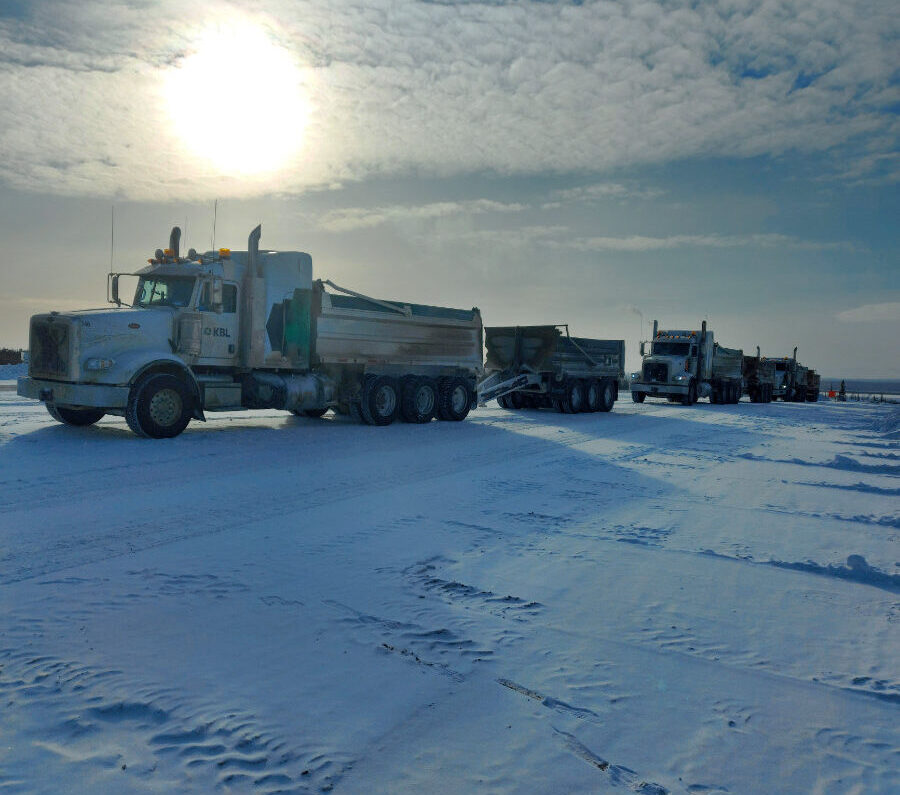
Environmental trucks snow

More Than Contaminated Soil Disposal

KBL’s approach is focused on treatment and responsible material management—not simply moving contaminated soil from one location to another.

Where treatment is technically feasible and permitted, impacted soil can be managed to reduce contaminant concentrations or stabilize contaminants before being directed to an approved reuse or final management pathway.

Depending on facility approvals, treatment results, and jurisdictional requirements, treated soil may be used for:

  • Landfill cover
  • Site grading or operational fill
  • Facility construction and maintenance
  • Other approved beneficial reuse applications
  • Compliant final disposition where reuse is not available

Beneficial reuse reduces reliance on virgin aggregate, conserves landfill capacity, and supports a more circular approach to contaminated-material management.

How KBL’s Soil Treatment Process Works

1. Waste Profiling and Initial Review

Before soil is transported, the client provides available information about the material, including:

  • Source location
  • Site history
  • Estimated volume
  • Contaminant type
  • Laboratory analytical results
  • Physical soil characteristics
  • Proposed delivery schedule

KBL’s technical and facility teams review the information to determine whether the material may meet the receiving facility’s acceptance criteria.

2. Sampling and Analytical Assessment

Representative samples are analyzed by an accredited laboratory for the contaminants and parameters relevant to the source site and proposed receiving facility.

Additional sampling or analysis may be required when:

  • The source is not fully characterized
  • Results are incomplete or outdated
  • Contamination is variable
  • The soil contains unusual materials
  • Facility-specific parameters must be assessed

3. Facility Approval

KBL confirms whether the soil is approved for delivery and identifies any conditions related to:

  • Volume
  • Delivery timing
  • Transportation
  • Segregation
  • Handling
  • Treatment
  • Documentation
  • Receiving-facility limitations

Soil must not be transported to a KBL facility until written approval has been provided.

4. Receiving and Inspection

Upon arrival, loads are reviewed against the approved profile and supporting documentation. Facility personnel may inspect the soil, verify shipment records, and conduct additional screening or sampling where required.

Loads that differ from the approved profile may be held, rejected, or subject to further assessment.

5. Treatment and Management

Approved soil is placed within an appropriate treatment or management area. The selected method depends on the contaminant, concentration, soil properties, environmental conditions, facility approvals, and intended outcome.

6. Verification and Final Outcome

KBL monitors treatment progress through operational inspections and confirmatory sampling. Once applicable criteria have been met, the soil may be directed to an approved beneficial reuse or final management pathway.

KBL maintains records supporting traceability from receipt through treatment and final outcome.

Soil Treatment Methods

Bioremediation

Bioremediation uses naturally occurring microorganisms to break down petroleum hydrocarbons in soil. Treatment may include:

  • Aeration
  • Soil turning and mixing
  • Moisture management
  • Nutrient amendment
  • Temperature monitoring
  • Periodic sampling

This approach is commonly used for approved soils impacted by fuels, diesel, gasoline, heating oil, and similar petroleum products.

Aeration and Volatilization

Soil may be spread, turned, and aerated to support the reduction of certain volatile compounds. This method may be used alone or as part of a broader biological treatment program.

Stabilization and Solidification

At facilities approved for this work, amendments may be mixed with impacted soil or residuals to reduce mobility, improve handling characteristics, or support an approved reuse or management pathway.

This approach may be considered for certain metals, inorganic contaminants, sludges, or difficult soil conditions.

Segregation and Blending

Soils may be segregated by contaminant type, concentration, physical characteristics, or treatment requirements. Controlled blending may be used where technically appropriate and permitted.

Snow and Water Management

Certain KBL facilities may also be approved to receive contaminated snow or water. Acceptance depends on the specific facility licence, infrastructure, analytical results, and available treatment capacity.

Materials That May Be Accepted

KBL facilities may accept approved materials such as:

  • Petroleum hydrocarbon-impacted soil
  • Fuel-impacted snow
  • Certain metals-impacted soils
  • Contaminated sediment
  • Perchloroethylene or chlorophenols impacted soils
  • Approved industrial soils and residuals
  • Soil generated through spill response
  • Soil from tank removals and infrastructure projects
  • Soil generated through remediation and decommissioning
  • Other materials specifically authorized by the receiving facility

Acceptance is not guaranteed and varies by location.

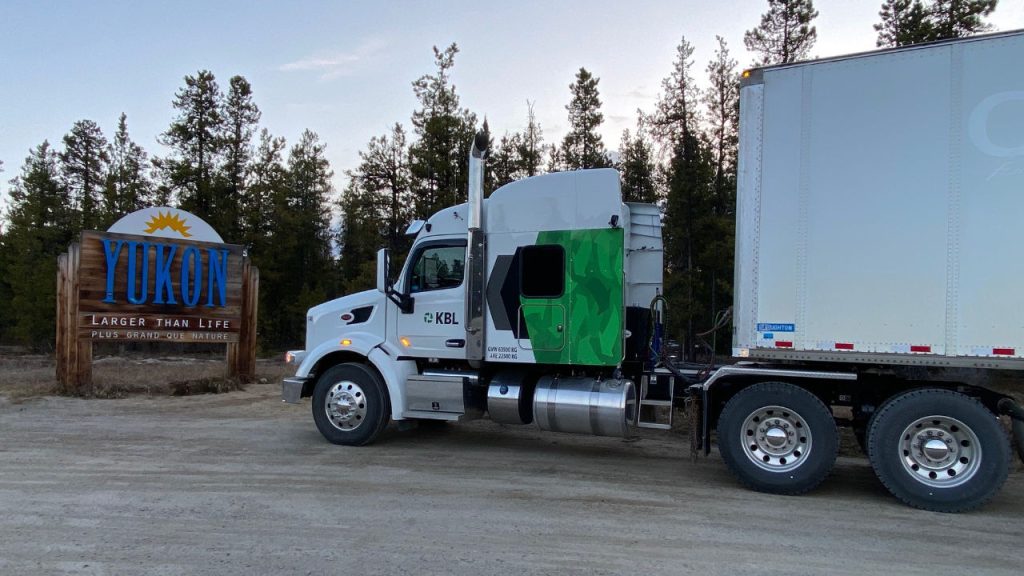
Environmental truck

Benefits of Regional Soil Treatment

Reduced Transportation and Project Costs

Regional treatment can reduce long-haul trucking, fuel consumption, labour, equipment time, and reliance on distant receiving facilities.

Lower Transportation-Related Emissions

Managing soil closer to the source can reduce kilometres travelled and the greenhouse gas emissions associated with hauling contaminated material over long distances.

Beneficial Reuse Opportunities

Where permitted and supported by treatment results, treated soil can replace virgin material in approved applications.

Extended Landfill Capacity

Using approved treated soil as cover or operational material can reduce demand for newly quarried material while preserving disposal capacity.

Support for Remote Communities

Regional infrastructure gives northern and remote communities more practical options for managing impacted soil within their own jurisdictions.

Regulatory and Technical Oversight

KBL’s profiling, analytical review, treatment monitoring, documentation, and compliance systems support responsible material management throughout the process.

Projects We Support

KBL’s soil treatment services can support:

  • Spill response and cleanup
  • Underground and above-ground storage tank removals
  • Pipeline and utility projects
  • Mine operations and closure programs
  • Industrial facility maintenance
  • Demolition and decommissioning
  • Brownfield remediation
  • Road and infrastructure construction
  • Municipal environmental programs
  • Government remediation projects
  • Remote camp and community cleanups

KBL can also coordinate soil excavation, loading, transportation, treatment, reporting, and approved final management as part of an integrated project solution.

KBL’s Soil Treatment Facility Network

KBL Soil Treatment Facility Network

KBL currently operates nine Soil Treatment Facilities across Western Canada and the North. Accepted materials vary by location and are subject to facility-specific profiling, analytical review, approval criteria, capacity, and regulatory requirements.

Location

Approved Receiving Materials

100 Mile House, BC

Hydrocarbon-contaminated soil; gasoline-contaminated soil from service stations; diesel- and heating-oil-contaminated soil; coal-tar-contaminated soil; perchloroethylene-contaminated soil; and chlorophenol-contaminated soil.

Cambridge Bay, NU

Hydrocarbon-impacted soil and contaminated water or snow.

Dawson City, YT

Hydrocarbon-impacted soil, including highly contaminated petroleum hydrocarbon soils, and contaminated water or snow.

Inuvik, NT

Hydrocarbon-impacted soil and contaminated water or snow.

Mount Waddington, BC

Hydrocarbon-contaminated soil; gasoline-contaminated soil from service stations; diesel- and heating-oil-contaminated soil; coal-tar-contaminated soil; perchloroethylene-contaminated soil; and chlorophenol-contaminated soil.

Norman Wells, NT

Hydrocarbon-impacted soil and contaminated water or snow.

Richmond, BC

Metals-contaminated soil; hydrocarbon-contaminated soil; gasoline-contaminated soil from service stations; diesel- and heating-oil-contaminated soil; coal-tar-contaminated soil; perchloroethylene-contaminated soil; and chlorophenol-contaminated soil.

The Pas, MB

Hydrocarbon-impacted soil and contaminated water or snow.

Yellowknife, NT

Hydrocarbon-impacted soil and contaminated water or snow.

Material acceptance is not automatic. All soil, water, and snow must be reviewed and approved by KBL before transportation to a facility. Acceptance depends on analytical results, material characteristics, facility permits or licences, available capacity, and project-specific requirements.

Why Choose KBL?

Regional Infrastructure

KBL provides treatment options across areas where access to approved contaminated-soil infrastructure can be limited.

Northern and Remote Experience

Founded in Yellowknife, KBL understands seasonal access, extreme weather, limited infrastructure, community requirements, and the logistics of remote soil-management projects.

Integrated Transportation and Treatment

KBL can coordinate profiling, excavation support, transportation, receiving, treatment, monitoring, and final material management.

Technical and Regulatory Support

Our technical and facility teams help clients understand analytical requirements, receiving criteria, treatment options, and documentation obligations.

Beneficial Reuse Focus

KBL assesses whether approved materials can be treated and returned to productive use rather than relying automatically on disposal.

Scalable Solutions

Our network supports routine soil deliveries, spill response, major construction work, and multi-year remediation projects.

Frequently Asked Questions

  • How do I determine whether KBL can accept my soil?

    Submit a completed waste profile form with the source location, material description, estimated volume, site history, and available laboratory analytical results. KBL will review the information against the applicable facility criteria.
  • Can I deliver soil before receiving approval?

    No. Written acceptance must be obtained before soil is transported to a KBL facility.

  • What laboratory analysis is required?

    Requirements depend on the source, contaminants of concern, receiving facility, jurisdiction, and proposed treatment pathway. KBL will advise whether the available analytical information is sufficient.

  • Does every KBL facility accept the same soil?

    No. Permits, treatment capabilities, acceptance limits, and operational capacity vary by facility.

  • Can KBL arrange transportation?

    Yes. KBL can coordinate contaminated-soil transportation using equipment and containment suited to the material, project, and receiving facility.

  • Can treated soil always be beneficially reused?

    No. Reuse depends on treatment results, facility approvals, applicable regulations, physical soil properties, and the availability of an approved reuse application.

  • Does KBL accept contaminated water or snow?

    Certain facilities may accept contaminated snow or water. Approval depends on the facility licence, analytical results, infrastructure, and available capacity.

Submit a Soil Profile

To begin the review process, provide:

  • Completed waste profile form
  • Source and project location
  • Estimated soil volume
  • Site history and source description
  • Laboratory analytical results
  • Proposed delivery schedule
  • Transportation requirements
  • Primary project contact

KBL will review the submission and advise on acceptance, additional information requirements, pricing, scheduling, and delivery conditions.

General inquiries: 1-855-508-4263

Email: waste@kbl.ca

Soil Treatment Facilities

We’re currently operating Nine STFs with another permitted and scheduled for construction. 

Current locations include:

YELLOWKNIFE SOIL TREATMENT FACILITY

Yellowknife, NT

DAWSON CITY SOIL TREATMENT FACILITY

Dawson City, YT

CAMBRIDGE BAY SOIL TREATMENT FACILITY

Cambridge Bay, NU

INUVIK SOIL TREATMENT FACILITY

Inuvik, NT

NORMAN WELLS SOIL TREATMENT FACILITY

Norman Wells, NT

THE PAS SOIL TREATMENT FACILITY

The Pas, MB

MOUNT WADDINGTON SOIL TREATMENT FACILITY

Mount Waddington, BC

PORT MCNEIL SOIL TREATMENT FACILITY

Port McNeil, BC

KAMLOOPS SOIL TREATMENT FACILITY

Kamloops BC

100 MILE HOUSE SOIL TREATMENT FACILITY

100 Mile House, BC

RICHMOND SOIL TREATMENT FACILITY

Richmond, BC

Frequently Asked Questions

  • Where can I dispose of contaminated soil from a construction or remediation project?

    Contaminated soil generated from construction, demolition, industrial, mining, or remediation projects should be managed through an approved treatment, recycling, beneficial reuse, or disposal facility based on the soil characteristics and regulatory requirements. KBL operates a network of soil treatment facilities across Western and Northern Canada and can assist clients with soil characterization, sampling requirements, transportation, treatment options, and final disposition. Our team works with environmental consultants, contractors, developers, government agencies, and industrial clients to identify the most appropriate and cost-effective solution for each project.
  • What types of contaminated soil can KBL treat?

    KBL manages a wide range of contaminated soils generated from industrial, commercial, government, mining, oil and gas, and infrastructure projects. Depending on facility capabilities and regulatory requirements, soils may include petroleum hydrocarbon-impacted soils, fuel-contaminated soils, drilling waste residuals, industrially impacted soils, and certain metals-impacted materials. Every project begins with a review of analytical data and site conditions to determine the most appropriate treatment approach and regulatory pathway.
  • What is the best way to treat hydrocarbon-contaminated soil?

    The most effective treatment method depends on the type and concentration of hydrocarbons, soil characteristics, project schedule, regulatory requirements, and intended end use of the treated material. In many cases, biological treatment methods such as landfarming and bioremediation can successfully reduce petroleum hydrocarbon concentrations by promoting natural microbial degradation. Other projects may require excavation, treatment, beneficial reuse, or specialized treatment technologies. KBL evaluates each project individually to determine the most practical, compliant, and cost-effective solution. Bioremediation and land treatment are widely recognized methods for treating petroleum-contaminated soils.
  • Can metals-contaminated soil be treated for redevelopment projects?

    Yes, in many cases metals-contaminated soils can be managed or treated to support redevelopment projects; however, the appropriate approach depends on the contaminant concentrations, site conditions, proposed land use, and applicable provincial, territorial, or municipal regulations. Treatment options may include stabilization, segregation, treatment, beneficial reuse, containment, or disposal at approved facilities. KBL works with environmental consultants and regulators to determine the most appropriate management strategy for each project and jurisdiction.
  • What documents are required before contaminated soil can be accepted at a soil treatment facility?

    Before contaminated soil can be accepted, clients are typically required to provide analytical results, site history information, waste characterization data, estimated volumes, sampling methodology, and any other information necessary to evaluate the material. Additional documentation may be required depending on the jurisdiction, contaminant profile, transportation requirements, and facility acceptance criteria. KBL reviews project information in advance to confirm suitability for treatment and to ensure compliance with applicable regulatory requirements.
  • How many soil treatment facilities does KBL operate and where are they located?

    KBL operates one of the largest networks of soil treatment facilities in Western and Northern Canada. The company currently operates approximately 10 soil treatment facilities strategically located across British Columbia, Manitoba, Yukon, Northwest Territories, and Nunavut, supporting contaminated soil management projects in both urban and remote regions. These facilities help clients reduce transportation distances, improve project efficiency, and access treatment solutions closer to where waste is generated. KBL's facility network supports mining, industrial, construction, government, and environmental remediation projects throughout Canada.
  • What soils can be treated?

    Petroleum-impacted and certain industrial soils can be accepted for treatment.
  • How are soils treated?

    We use engineered treatment pads, aeration, and bioremediation techniques.
  • Do you offer winter receiving?

    Yes. Many facilities accept soils year-round, with treatment staged in warmer months.
  • What documentation will I receive?

    You’ll receive weigh tickets, treatment records, and closure reports.
Hazardous Waste Transfer

Hazardous Waste Transfer

KBL manages all aspects of waste, including management plans, spill response, contaminated site management, waste stream cost-efficiency analyses, site remediation, environmental...

LEARN MORE
Soil Treatment

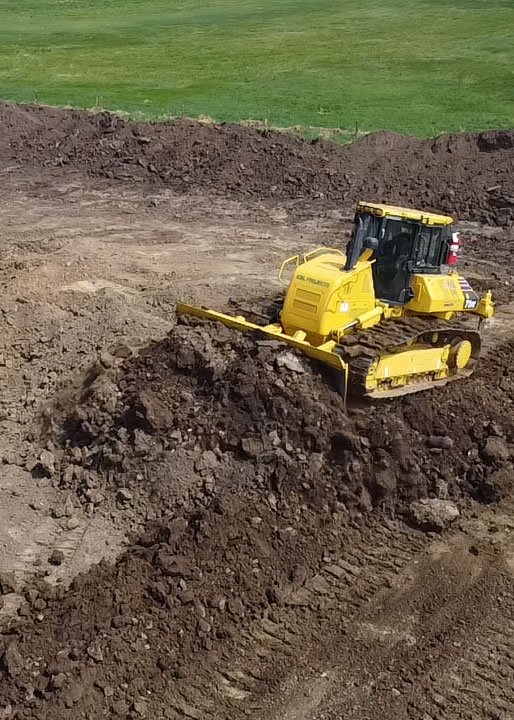
Soil Treatment

KBL operates soil treatment facilities across northern Canada to provide an outlet for impacted soils.Please Contact Us to schedule acceptance or learn more about acceptance criteria at a...

LEARN MORE
Paint Recycling

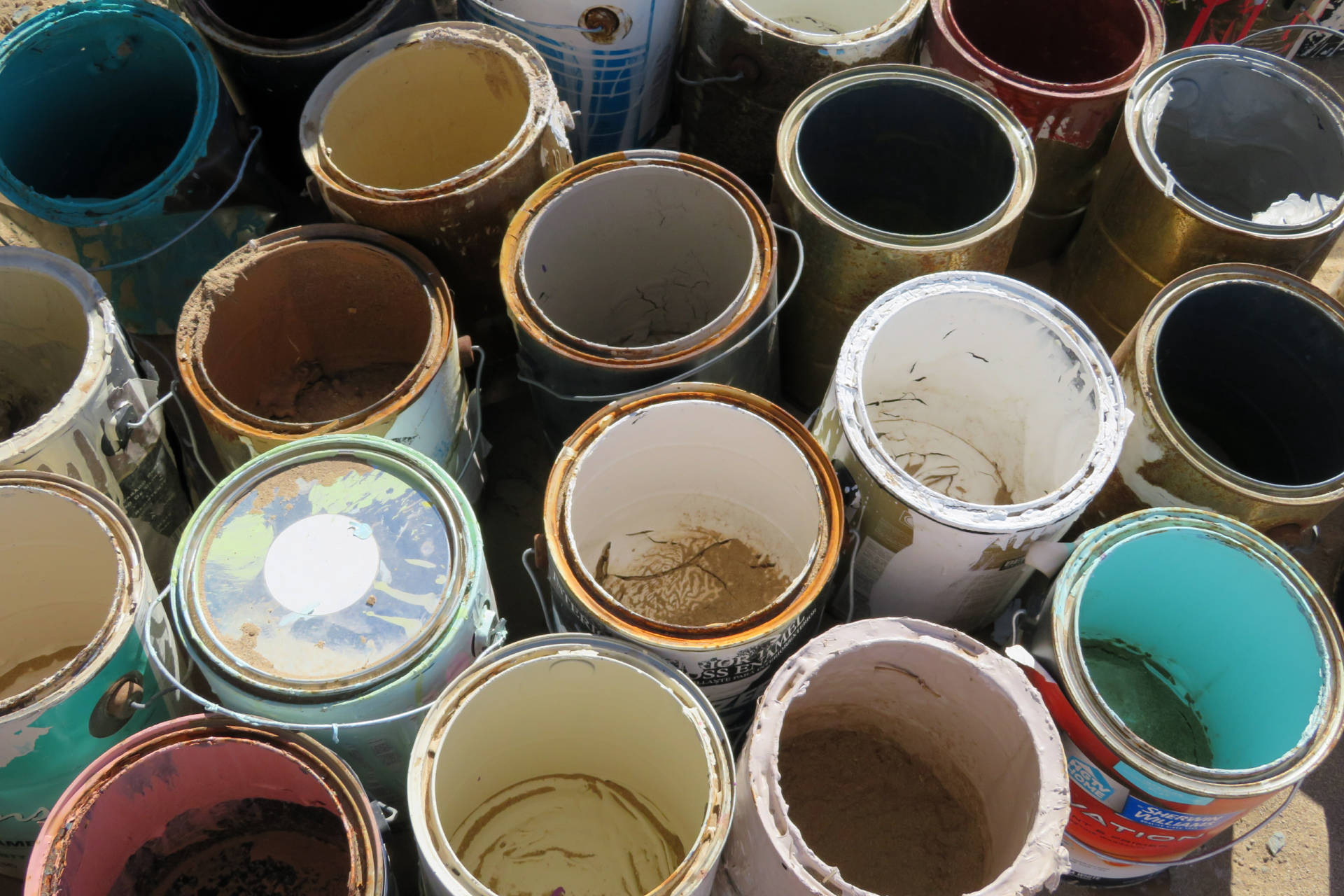
Paint Recycling

Developed though a successful partnership this process has allowed us to recycle large volumes of latex paint instead of it ending up in landfills. The recycled paint is then reused...

LEARN MORE
Location Finder

Location Finder

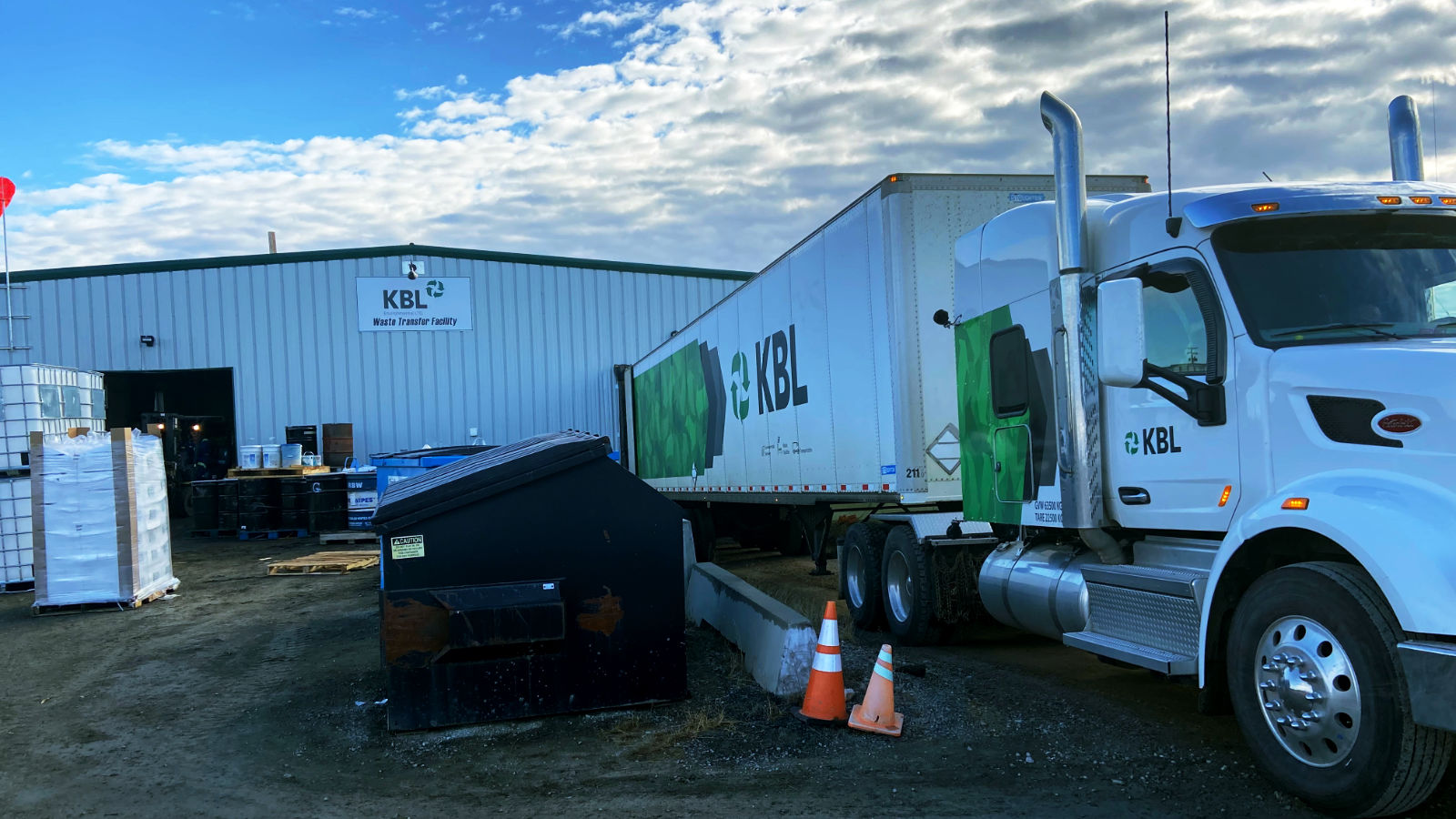
Find KBL facilities near you for waste, recycling, and treatment services. Use the Location Finder to connect with the right site for your project needs.

LEARN MORE
Emergency Response

Emergency Response

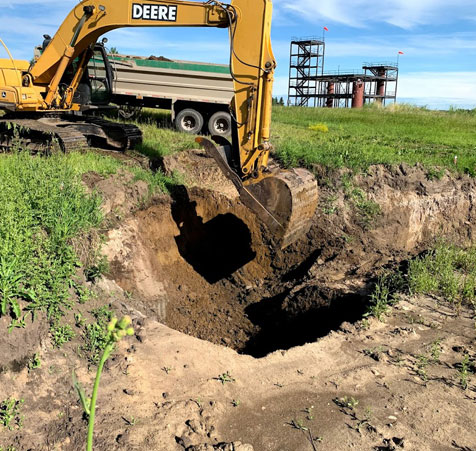
KBL and our network of subcontractors are prepared to respond to releases posing risk to the environment and/or public. Our trained hazardous material technicians use the...

LEARN MORE
Demo Transport Services

Demo Transport Services

KBL's transportation division is proficient at executing collection and hauling services, and minimizing disruption for our clients. Our fleet capacity is able to support our clients’ needs on any project with an experienced team ready to safely transport hazardous and non-hazardous waste and products from point A to point B.

LEARN MORE
Transport Services

Transport Services

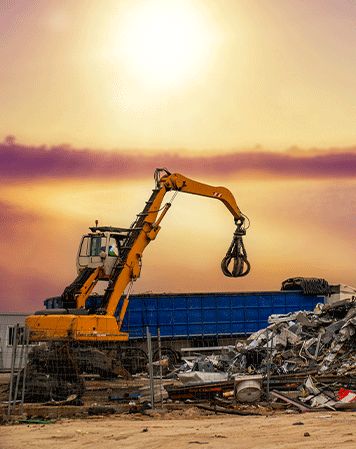
KBL's transportation division is proficient at executing collection and hauling services, and minimizing disruption for our clients. Our fleet capacity is able to support our clients’ needs on any project with an experienced team ready to safely transport hazardous and non-hazardous waste and products from point A to point B.

LEARN MORE
Metals Recovery Facility

Metals Recovery Facility

KBL Environmental is proud to expand its northern infrastructure network with the addition of our Metals Recovery Facility in Enterprise, Northwest Territories.

LEARN MORE
Waste Beneficial Reuse

Waste Beneficial Reuse

KBL is a pioneer in waste beneficial reuse, transforming waste streams into valuable resources. We collaborate with clients to implement sustainable practices that promote...

LEARN MORE

We'd Love to Hear From You

Use this form to connect with us

KBL is constantly looking for opportunities to hear from, and work with forward thinking people and organizations. Reach out today!

How can we help you?

Find Out How Partnering with Us Can Truly Make a Difference!

Back