Industrial Dredging, Dewatering
and Sediment Management
KBL provides integrated dredging, dewatering and sediment-management services for industrial, mining, municipal, infrastructure and environmental-remediation projects across Western Canada and the North.
Our teams remove accumulated sludge, sediment and residual materials from ponds, lagoons, tailings systems and process-water infrastructure, then manage the recovered material through dewatering, characterization, treatment, stabilization, transportation, beneficial reuse or approved disposal.
Each project is developed around the site layout, material characteristics, water-management requirements, available infrastructure, regulatory obligations and desired operational outcome.
Restore Capacity. Improve Performance. Manage the Material.
Sediment and sludge accumulation can reduce pond and lagoon capacity, interfere with treatment processes, restrict water movement and make ongoing operations more difficult.
KBL approaches dredging as more than the removal of material. The recovered sludge or sediment must also be contained, characterized, dewatered and directed to an appropriate final outcome.
Our integrated approach can include:
Site and material assessment
Bathymetric or volume evaluation support
Sampling and laboratory characterization
Dredging and material pumping
Solids separation and dewatering
Polymer testing and conditioning
Water-management integration
Solids stabilization or amendment
Transportation and logistics
Beneficial reuse assessment
Approved treatment or disposal
Project documentation and reporting
This gives clients one coordinated solution from sediment removal through final material management.
Dredging Services
KBL provides dredging services for ponds, lagoons, basins, tailings systems and other areas where accumulated material is affecting storage capacity, treatment performance or ongoing operations.
Industrial Ponds and Lagoons
Industrial ponds and lagoons may accumulate process solids, sludge, sediment and other residual materials over time. KBL develops removal plans that consider active operations, water levels, surrounding infrastructure, material properties and the intended final management pathway.
Municipal Lagoons and Stormwater Ponds
Dredging can restore operating capacity and improve the long-term performance of municipal lagoons and stormwater infrastructure.
Projects may involve:
Lagoon sludge removal
Stormwater sediment removal
Dewatering and volume reduction
Material characterization
Water-quality management
Transportation and disposal
Beneficial reuse assessment
Tailings and Mine-Water Infrastructure
KBL supports mining operations with dredging and solids-management services for tailings ponds, polishing ponds, process-water systems and other mine-related infrastructure.
Planning may account for:
Restricted access
Remote logistics
Active facility operations
Variable material consistency
Water-return requirements
Contaminant characteristics
Seasonal and weather constraints
Process and Treatment Infrastructure
KBL can also support the removal of settled solids from treatment ponds, sumps, containment areas and other industrial systems where accumulated material affects usable volume or process reliability.
Dewatering Services
Dewatering separates water from sludge, sediment or slurry, reducing the volume and weight of material that must be handled, transported or managed.
A properly designed dewatering program can:
Reduce hauling requirements
Improve material handling
Lower transportation and disposal costs
Produce a more stable solid material
Recover water for treatment, reuse or managed discharge
Support beneficial reuse or amendment options
Improve overall project efficiency
The appropriate method depends on the solids content, particle size, chemistry, volume, site layout and desired final condition.
Centrifuge Dewatering
KBL operates decanter centrifuge systems for rapid solid-liquid separation.
Centrifuges may be suitable where:
Consistent processing rates are required
Space is limited
Sludge contains fine suspended solids
A relatively dry solids output is required
Recovered water must be managed separately
Polymer selection and dosage may be tested and adjusted to improve separation performance.
Dewatering Bags and Geotextile Systems
Dewatering bags can provide a contained and scalable option for separating water from sediment or sludge.
These systems may be appropriate for:
Lower or intermittent flow rates
Projects with available laydown area
Remote sites
Materials suited to gravity drainage
Projects requiring temporary containment
Mechanical and Filtration Options
Depending on the material and project conditions, KBL may also incorporate filtration, thickening, settling, screening or other solid-liquid separation methods.
The final equipment configuration is selected after reviewing the project objectives and conducting any necessary material testing.
How a Dredging and Dewatering Project Works
1.
Site and Material Assessment
KBL begins by reviewing:
Pond, lagoon or basin configuration
Estimated material volume
Water depth
Sludge or sediment characteristics
Available analytical results
Access and laydown space
Active operational constraints
Water-management requirements
Proposed final material outcome
Additional sampling, bench testing or field investigation may be recommended before the final system is selected.
2.
Project Design
KBL develops an execution plan that identifies:
Dredging method
Pumping requirements
Dewatering technology
Material-conditioning requirements
Containment and laydown areas
Water-return or treatment strategy
Solids handling and storage
Transportation requirements
Treatment, reuse or disposal pathways
Health, safety and environmental controls
3.
Mobilization and Setup
The selected dredging, pumping, dewatering, storage and ancillary equipment is mobilized and installed.
Project setup may include:
Dredge launch and assembly
Hose and pipeline installation
Centrifuge or bag-system setup
Mix and polymer tanks
Storage bins
Temporary containment
Water-management connections
Material staging areas
4.
Dredging and Material Transfer
Sediment or sludge is removed and transferred to the dewatering system.
Operators monitor performance and may adjust dredge speed, pumping rates, solids concentration, polymer dosage and equipment settings as material conditions change.
5.
Dewatering and Water Management
The slurry is separated into a solids stream and a recovered-water stream.
Recovered water may be:
Returned to the pond or process
Directed to an existing treatment system
Treated through a project-specific system
Managed for discharge under applicable criteria
Reused within the project where approved
Water quality requirements are established by the site, project approvals and applicable jurisdictional requirements.
6.
Solids Management
Dewatered solids are characterized and directed to the appropriate management pathway.
Depending on the material and approvals, this may include:
Stabilization or solidification
Amendment and blending
Beneficial reuse
Treatment
On-site management
Transportation to an approved facility
Compliant disposal
7.
Documentation and Closeout
KBL can provide project records addressing volumes, processing rates, analytical results, water management, material movements and final disposition or reuse.
Dredged Material Characterization and Management
The physical and chemical characteristics of dredged material determine how it can be dewatered, handled and ultimately managed.
KBL works with clients and laboratories to assess relevant parameters, which may include:
Moisture and solids content
Particle-size distribution
Petroleum hydrocarbons
Metals
Nutrients
Salinity
Organic compounds
pH
Leachability
Other site-specific contaminants of concern
The required analysis depends on the source, project approvals and proposed management pathway.
Beneficial Reuse
Where testing, regulations and project approvals support reuse, dredged material may have value as:
Manufactured soil input
Reclamation material
Fill or grading material
Landfill operational material
Industrial feedstock
Other approved project-specific applications
Reuse is not assumed. It must be supported by characterization, technical evaluation and approval for the intended application.
Treatment and Stabilization
Where material is not immediately suitable for reuse, KBL may assess treatment, blending, stabilization or solidification options to improve handling or support an approved management pathway.
Approved Disposal
When treatment or reuse is not technically or economically appropriate, KBL coordinates transportation and delivery to an approved receiving facility.
I would replace the proposed statement that amendments can “eliminate risks.” A more defensible statement is:
Treatment or amendment may reduce contaminant mobility, improve physical properties and support management to applicable criteria for the intended use.
Equipment and Technology
KBL maintains mobile dredging, dewatering and material-management equipment that can be configured for different site conditions and project requirements.
Dredging Equipment
Diesel Auger Dredges
Suitable for sediment and sludge removal in ponds, lagoons, tailings systems and other accessible containment areas.
Electric Remote-Controlled Dredges
Remote operation can reduce direct operator exposure and support work in difficult-access or higher-risk environments.
Pumps, Hoses and Transfer Systems
Project-specific pumping and transfer systems move slurry from the dredge to the dewatering or material-management area.
Dewatering Equipment
Decanter Centrifuges
High-speed systems designed for continuous solid-liquid separation.
Dewatering Bag Systems
Contained, gravity-based systems for appropriate sludge and sediment streams.
Ancillary Equipment
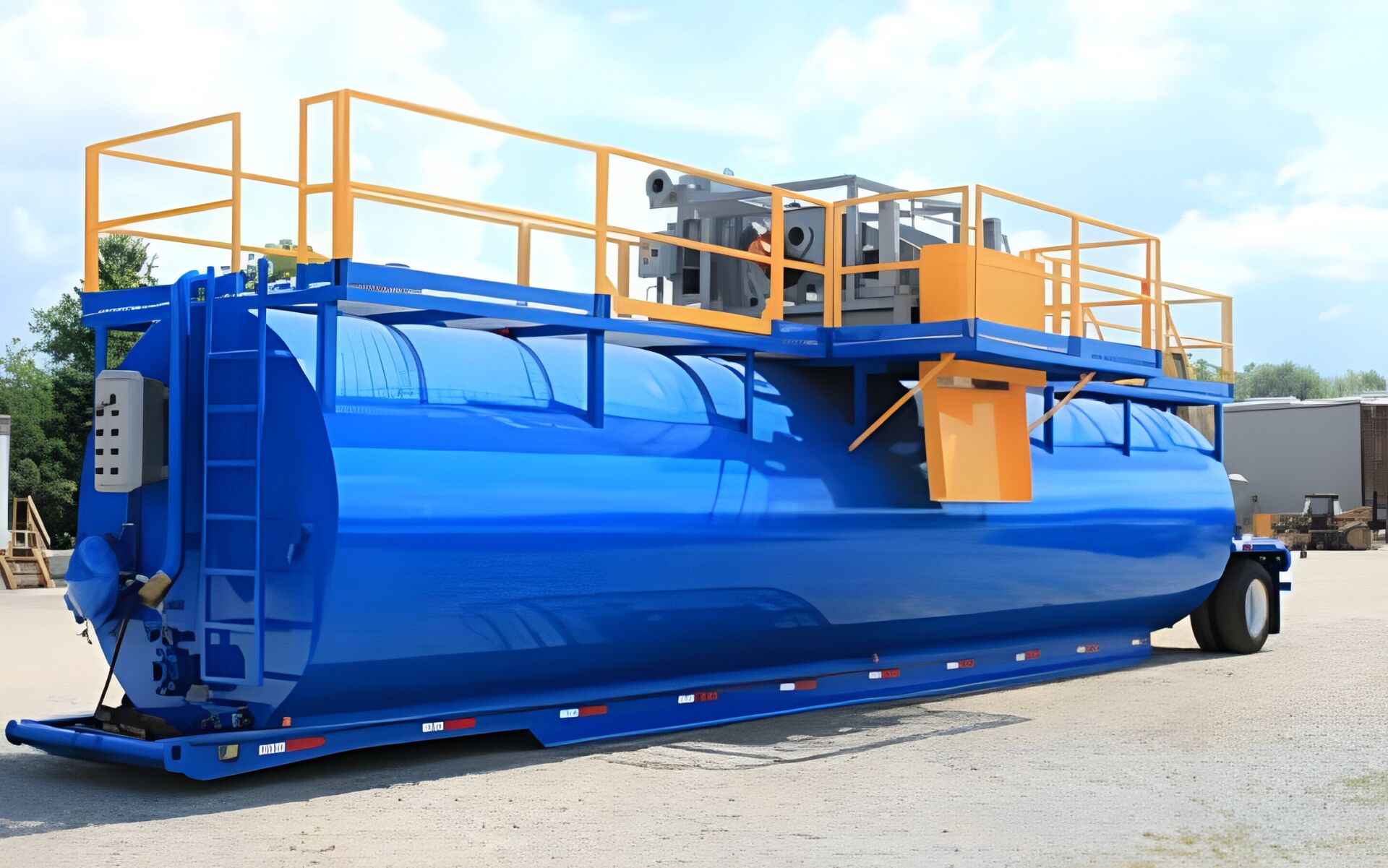
Agitated mix tanks
Polymer mix and dosing systems
Storage and feed tanks
Three-sided and four-sided material bins
Pumps and transfer equipment
Temporary containment systems
Excavators, loaders and support equipment
Mobile water-treatment equipment where required
The current live page identifies diesel auger dredges, electric remote-controlled dredges, centrifuges, dewatering bags, mix tanks and material-storage bins as core equipment.
Applications
KBL’s dredging and dewatering services can support:
Industrial process ponds
Municipal wastewater lagoons
Stormwater-management ponds
Tailings and polishing ponds
Mine-water systems
Pulp-and-paper ponds
Lime and mineral sludges
Refinery and energy infrastructure
Agricultural or nutrient ponds
Contaminated sediment projects
Construction and remediation dewatering
Tank, sump and basin cleanouts
Integrated Water and Residuals Management
Dredging and dewatering frequently connect with KBL’s other environmental capabilities.
A project may incorporate:
Water treatment
Contaminated soil or sediment management
Residual stabilization
Beneficial waste reuse
Waste transportation
Environmental monitoring
Remediation and environmental construction
Receiving-facility coordination
The page should link directly to:
Water Management Services
Beneficial Waste Reuse
Transportation and Logistics
Environmental Remediation Services
This is more useful than repeating the full content of those service pages.
Why Choose KBL?
Integrated Project Delivery
KBL can connect dredging, dewatering, water treatment, solids management, transportation and final material outcomes under one coordinated project plan.
Mobile and Scalable Systems
Equipment can be configured around project volume, material characteristics, site access and available infrastructure.
Industrial and Northern Experience
KBL works across active industrial, municipal, mining and remote environments where access, weather and operating constraints require careful planning.
Material-Management Expertise
Our teams evaluate the full material pathway rather than treating sediment removal as an isolated activity.
Treatment and Beneficial Reuse Focus
Where feasible and approved, KBL looks for opportunities to treat, stabilize or recover material rather than relying automatically on disposal.
Technical and Regulatory Support
KBL’s technical specialists support characterization, system selection, project planning, monitoring and documentation.
2025 Dredging and Dewatering Results
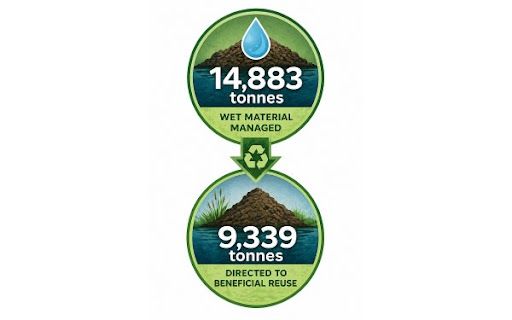
In 2025, KBL managed approximately 14,883 wet tonnes of material through dredging and dewatering projects, with approximately 9,339 tonnes directed to beneficial reuse pathways.
KBL works with sediment, sludge, tailings, mineral residuals and other pumpable or mechanically manageable materials. Suitability depends on material characteristics, contaminants, solids content and project conditions.
Can KBL work while a pond or facility remains operational?
In some cases, yes. The approach depends on operating constraints, access, water levels and required safety controls.
Does KBL provide mobile systems?
Yes. KBL’s dredging and dewatering equipment is designed for project-based deployment, including remote and temporary sites.
What happens to the separated water?
Recovered water may be returned to the process, treated, reused or managed for approved discharge, depending on project requirements and water quality.
What happens to the dewatered solids?
Solids may be stabilized, treated, reused or transported to an approved facility, based on characterization and applicable requirements.
Does KBL conduct material testing?
KBL can coordinate sampling, laboratory analysis, bench testing and treatment evaluation as part of project planning.
Can KBL provide transportation and disposal?
Yes. KBL can coordinate solids loading, transportation, receiving-facility approval and final documentation.
Can dredged sediment be beneficially reused?
Potentially. Reuse depends on analytical results, physical properties, applicable regulations and approval for the intended application.
Discuss Your Dredging or Dewatering Project
KBL can develop a project-specific solution based on your material, volume, infrastructure, operating conditions and desired outcome.